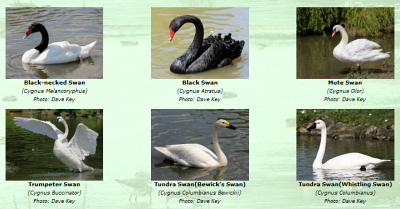
Welcome to Wildfowl Photography. Below you will find links to Ducks, Geese, and Swans from all over the world, listed aphabetically. Each page includes information, photographs, and video.
Wildfowl (listed aphabetically):
A-B C-F G-L M-R S-Z
Wildfowl Identification:
Coot & Moorhen
Cranes
Ducks
All About Ducks
All Types of Ducks
Female Ducks
Dabbling Ducks
Diving Ducks
Perching Ducks
Sea Ducks
Shelducks
Stiff-tail Ducks
Whistling Ducks
Flamingos
Geese
All Types of Geese Species
Black Geese
Grey Geese
White Geese
Screamers
Swans
Duck External Anatomy
Duck Plumage
Identification Quiz
WWT Centres:
WWT Arundel
WWT Caerlaverock
WWT Castle Espie
WWT London
WWT Martin Mere
WWT Llanelli
WWT Slimbridge
WWT Washington
WWT Welney
Photography:
Wildfowl Photography
Wildfowl Basics
Desktop Wallpapers
Wildfowl Video Footage
Wildfowl Shop
Updates
Sitemap
Links/Contact
Sir Peter Scott CH CBE DSC FRS (1909-1989)
Sir Peter Scott was the son of Robert Falcon Scott who led two expeditions to the Antartic.
He was a naturalist, leading wildfowl artist, broadcaster, and author who was probably the most influential conservationist of the 20th century.
The Severn Wildfowl Trust, later named the Wildfowl & Wetlands Trust (WWT) was founded by Sir Peter Scott in 1946, and he founded the World Wildlife Fund (WWF) in 1961. He also developed the IUCN Red Data Books in 1962 which defines the status of endangered species. In 1973, he became the first person to be knighted for services to conservation.
Sir Peter Scott established the first wetland centre at Slimbridge in Gloucestershire by the river Severn. Another eight WWT centres were set up in the UK at Arundel in West Sussex, Caerlaverock in Dumfriesshire, Castle Espie in County Down, London , Martin Mere in Lancashire, Llanelli in Carmarthenshire, Washington in Tyne & Wear, and Welney in Norfolk.
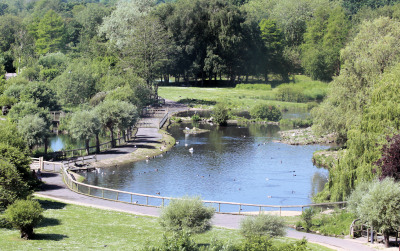
This website includes a map of all the WWT centres along with information about each centre.
Many of the photographs and video footage in this website were taken at these centres with many taken at WWT Slimbridge.
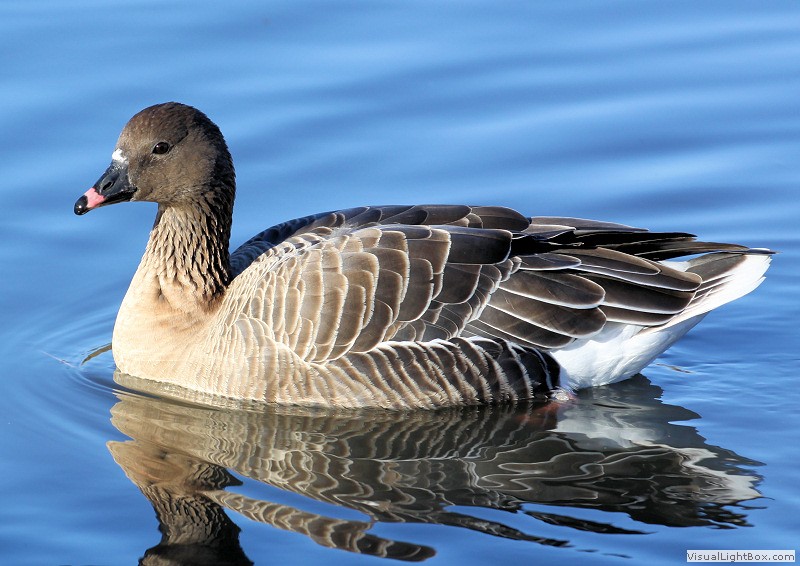
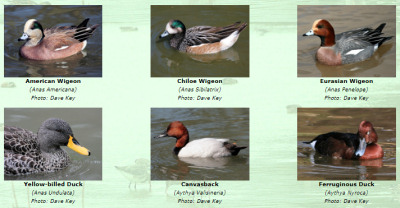
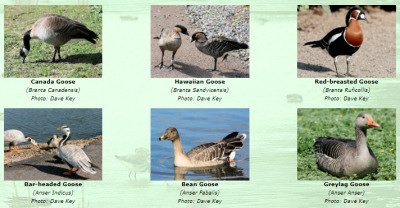
The aim of this website is to list as many wildfowl from around the world as possible along with photographs, video, and information which will hopefully be a useful resource in identifying these birds.
Sir Peter Scott was the son of Robert Falcon Scott who led two expeditions to the Antartic.
He was a naturalist, leading wildfowl artist, broadcaster, and author who was probably the most influential conservationist of the 20th century.
The Severn Wildfowl Trust, later named the Wildfowl & Wetlands Trust (WWT) was founded by Sir Peter Scott in 1946, and he founded the World Wildlife Fund (WWF) in 1961. He also developed the IUCN Red Data Books in 1962 which defines the status of endangered species. In 1973, he became the first person to be knighted for services to conservation.
Sir Peter Scott established the first wetland centre at Slimbridge in Gloucestershire by the river Severn. Another eight WWT centres were set up in the UK at Arundel in West Sussex, Caerlaverock in Dumfriesshire, Castle Espie in County Down, London , Martin Mere in Lancashire, Llanelli in Carmarthenshire, Washington in Tyne & Wear, and Welney in Norfolk.
This website includes a map of all the WWT centres along with information about each centre.
Many of the photographs and video footage in this website were taken at these centres with many taken at WWT Slimbridge.
The aim of this website is to list as many wildfowl from around the world as possible along with photographs, video, and information which will hopefully be a useful resource in identifying these birds.
Copyright www.wildfowl-photography.co.uk
View Disclaimer